
If you’re dealing with bats around your home, you know how tricky it can be to keep them at bay without causing harm. You’ll want solutions that prevent entry, discourage roosting, and respect wildlife—all while protecting your living space. From sealing off access points to using natural repellents and modern devices, there are effective strategies to explore bat repellent spray. But knowing when to handle it yourself and when to call in experts can make all the difference.
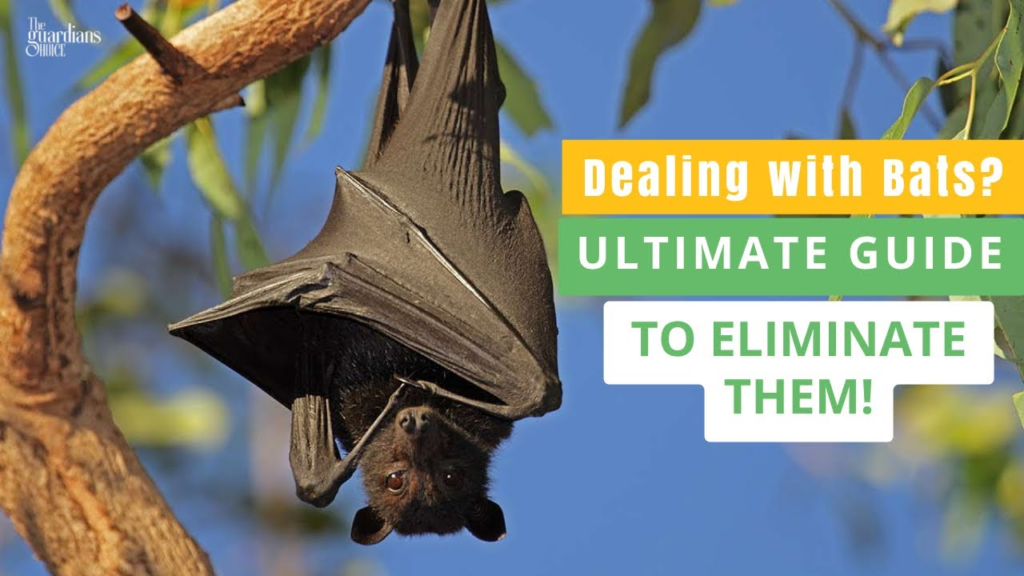
Why Bats Choose Your Home and the Problems They Cause
Although bats might seem like harmless creatures, they often choose your home because it offers shelter, warmth, and easy access to food igreenasia. They’re drawn to attics, eaves, and other quiet spaces where they can roost undisturbed.
Once inside, bats can create significant problems. Their droppings accumulate quickly, posing health risks by spreading fungi that cause respiratory issues. Noise and odors from colonies disrupt your peace, and their presence can damage insulation or wiring. You might also find that bats attract parasites like mites or fleas into your living space.
Understanding why bats pick your home is the first step toward reclaiming your freedom from unwanted guests. Taking action early prevents costly damage and safeguards your family’s health and comfort.
Natural Bat Repellents That Actually Work
When you want to keep bats away without using harsh chemicals, natural repellents offer effective and eco-friendly solutions. You can protect your home while respecting nature by choosing methods that deter bats without harm. Consider these proven options to maintain your freedom from pests:
- Peppermint oil: Its strong scent disrupts bats’ navigation and discourages roosting when applied near entry points.
- Mothballs: Placing mothballs in attics or crawl spaces creates an environment bats avoid due to the odor.
- Essential oils blend: Combining eucalyptus, citronella, and lavender oils sprays around your home repels bats naturally and pleasantly.
Using natural repellents lets you safeguard your space without compromising your values or the environment. Just apply consistently and monitor for effectiveness to keep bats at bay.
Sound and Light Ways to Repel Bats
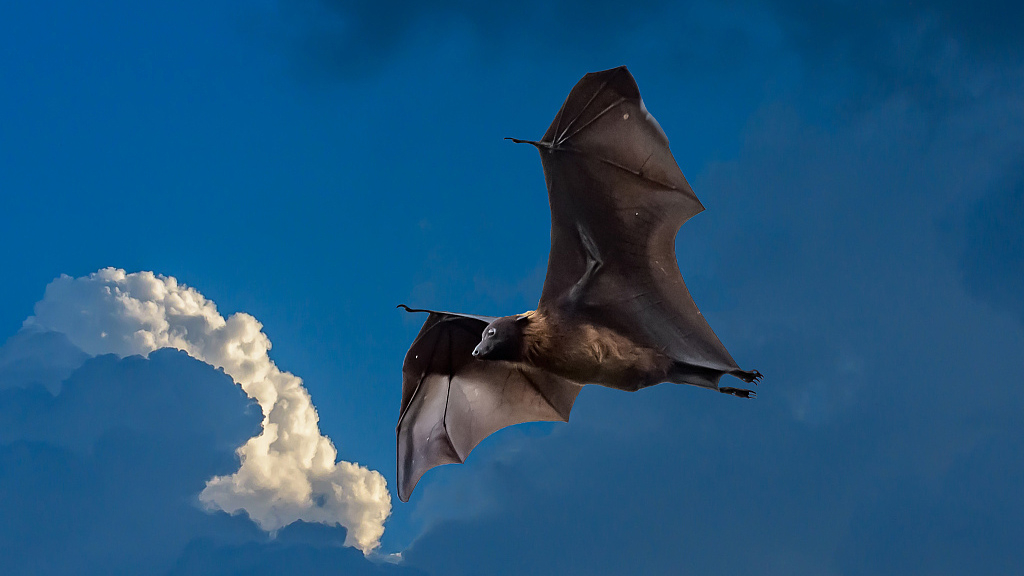
Harnessing sound and light offers practical ways to repel bats by targeting their sensory sensitivities. Bats rely heavily on echolocation, so ultrasonic devices emitting high-frequency sounds can disrupt their navigation, encouraging them to leave your property. You’ll find these devices easy to install near entry points or roosting areas.
On the light front, bats prefer dark, quiet spaces, so installing bright, motion-activated lights can deter them effectively. LED floodlights work well, especially if you place them around attics, eaves, or porches.
When to Call a Professional for Bat Removal
If you notice bats repeatedly returning despite your efforts with sound and light repellents, it’s time to consider professional help.
Handling bats on your own can be risky and ineffective if the infestation is severe or if bats have nested inside your home.
Professionals bring expertise, specialized equipment, and safe removal methods that protect both you and the bats.
Call a professional when:
- You spot large colonies or persistent bat presence.
- You find bat droppings (guano) causing health concerns.
- You detect bats roosting in hard-to-reach or sensitive areas.
How to Bat-Proof Your Home to Stop Infestations
Seal every potential entry point around your home to effectively bat-proof it and prevent future infestations.
Start by inspecting vents, chimneys, gaps around windows, doors, and rooflines.
Use durable materials like caulk, steel mesh, or weatherproof sealant to close these openings.
Ensure attic vents have screens and repair damaged soffits or fascia.
Trim tree branches near your roof to eliminate easy bat access.
Maintain outdoor lighting strategically, as bright lights deter bats from settling.
Inside, keep clutter minimal to reduce attractive roosting spots.
Regularly monitor your home for signs of bat activity, such as droppings or unusual noises.
Conclusion
To keep bats from making your home theirs, start by sealing all entry points and trimming nearby branches. Use natural repellents like peppermint oil and consider ultrasonic or motion-activated lights to deter them humanely. Regularly check for signs of bats, and don’t hesitate to call a professional if the infestation grows or guano becomes a problem. Taking these practical steps will protect your home effectively and keep it pest-free without harm to the bats.