In the realm of modern business operations in Malaysia, the adoption of E Invoice technology has emerged as a pivotal tool for enhancing operational efficiency and compliance with regulatory frameworks.
This article delves into the advantages, implementation processes, and key features of E Invoice technology in the Malaysian context, Malaysia erp system shedding light on its significance in streamlining business processes and ensuring adherence to regulatory standards.
Advantages of E Invoice in Malaysia
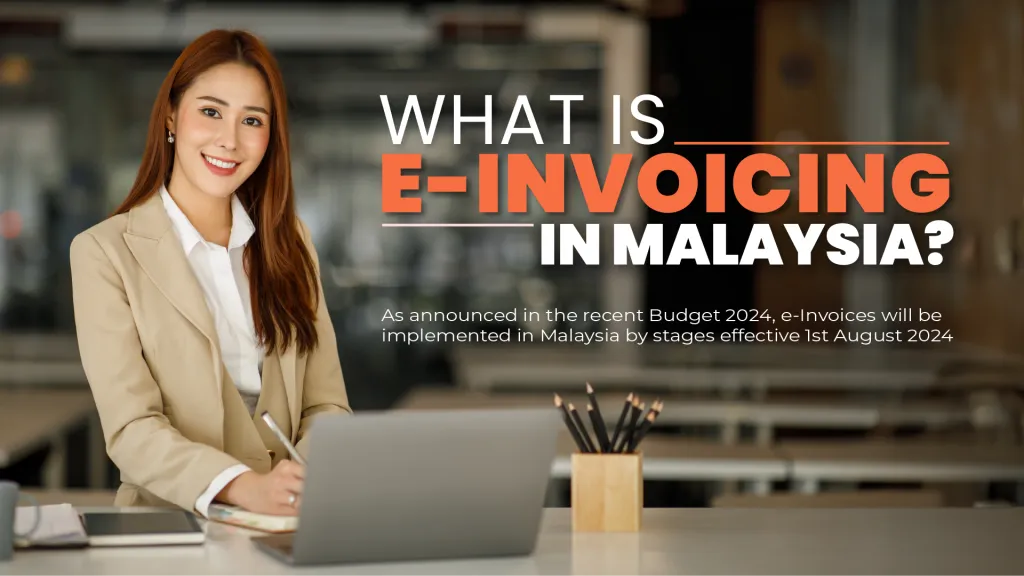
In Malaysia, the adoption of E Invoice presents numerous advantages for businesses seeking streamlined financial processes. Electronic invoicing, or E Invoice, offers a more efficient and cost-effective way of managing billing and payment procedures https://aspert.com.my/. One of the key benefits is the reduction of manual tasks and paperwork, leading to increased productivity and time savings for staff. By automating the invoicing process, businesses can minimize errors and discrepancies, enhancing overall accuracy and compliance with regulatory requirements.
Furthermore, E Invoice enables companies to expedite payment cycles, resulting in improved cash flow management. With electronic invoices, businesses can send and receive payment requests swiftly, accelerating the overall payment process. This speedier turnaround time can help organizations better manage their working capital and liquidity needs. Additionally, E Invoice promotes sustainability by reducing paper usage and environmental impact, aligning businesses with eco-friendly practices.
Implementation Process for E Invoice
The successful deployment of E Invoice in Malaysia hinges on effectively integrating electronic invoicing systems with existing financial infrastructure.
The implementation process for E Invoice involves several key steps. Firstly, businesses need to choose a reputable E Invoice provider that complies with regulatory requirements set by the Malaysian government.
Next, companies must ensure that their internal systems are compatible with the E Invoice platform to facilitate seamless integration. Training sessions should be conducted to familiarize employees with the new invoicing system, ensuring a smooth transition.
Additionally, organizations should communicate with their suppliers and customers about the switch to E Invoicing to promote widespread adoption and cooperation. It is essential to conduct thorough testing before fully implementing E Invoicing to identify and resolve any potential issues.
Key Features of E Invoice Technology
Key features of E Invoice technology in Malaysia include automation, which streamlines invoicing processes by generating, sending, and tracking invoices electronically. This reduces manual errors, saves time, and ensures prompt delivery to clients. Customization is another essential feature that allows businesses to tailor invoices to reflect their brand identity and comply with local regulations.
E Invoice technology also offers secure digital storage for easy access and audit purposes. Real-time tracking and monitoring capabilities provide insights into invoice delivery and payment status. Integration with accounting software facilitates seamless transfer of invoice data for accurate financial record-keeping.
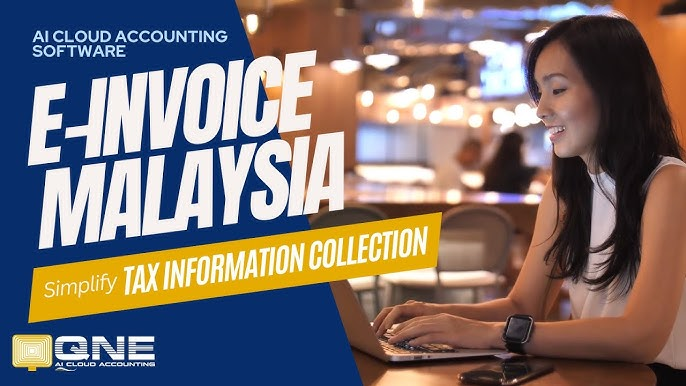
Importance of Compliance With E Invoice Regulations
Ensuring compliance with E Invoice regulations in Malaysia is crucial for businesses seeking to operate legally and efficiently. Adhering to these regulations helps companies avoid penalties, maintain trust with authorities, and streamline their financial processes. By embracing E Invoice regulations, businesses can enhance transparency, reduce the risk of errors, and improve overall data accuracy. Compliance also fosters a more sustainable business environment by reducing paper usage and promoting eco-friendly practices.
Moreover, complying with E Invoice regulations can lead to cost savings through decreased manual handling of invoices, faster processing times, and minimized risks of fraud. It also paves the way for enhanced digital security measures to protect sensitive financial information. Businesses that prioritize compliance with E Invoice regulations demonstrate their commitment to upholding ethical standards, which can positively impact their reputation and relationships with stakeholders.
Enhancing Business Efficiency With E Invoice
Compliance with E Invoice regulations in Malaysia sets the foundation for enhancing business efficiency through streamlined financial processes and improved data accuracy. By transitioning to E Invoices, businesses can significantly reduce manual data entry errors and the time spent on traditional paper-based invoicing methods. The automation of invoicing processes not only saves time but also allows for quicker invoice delivery, resulting in improved cash flow management. Additionally, E Invoices enable businesses to easily track and monitor their financial transactions, providing valuable insights for decision-making and forecasting.
Moreover, the digitization of invoices simplifies the retrieval and storage of documents, eliminating the need for physical filing systems and reducing the risk of document loss. This enhanced organization leads to increased productivity as employees can access necessary information swiftly, fostering a more efficient work environment. Overall, embracing E Invoices in Malaysia can revolutionize business operations, paving the way for heightened efficiency, cost savings, and improved financial management.
Conclusion
In conclusion, E Invoice technology offers numerous advantages for businesses in Malaysia, including increased efficiency, cost savings, and improved compliance with regulations.
By implementing E Invoice systems and ensuring compliance with regulations, businesses can streamline their invoicing processes and enhance overall efficiency.
It is essential for businesses to embrace E Invoice technology to stay competitive and compliant in the ever-evolving digital landscape of Malaysia.